

How to Choose Horse-Ready Homes, Barns & Acreage in the Carolina Foothills
The Carolina Foothills are known globally as a premier destination for equestrian living. With Tryon’s historic horse culture, extensive trail networks, world-class competitions, and the Tryon International Equestrian Center (TIEC), riders and horse owners come from all over the country to find their ideal property.
But buying an equestrian property is fundamentally different from buying a regular home.
This guide is designed to give you clarity on:
- What makes a property truly horse-ready
- How to evaluate barns, arenas, fencing, and pastures
- What type of land works best for your discipline
- How to understand acreage and land usability
- The equestrian communities and micro-locations within the Foothills
- What to avoid when buying horse property
- How Sauvé Collective helps buyers make smart decisions
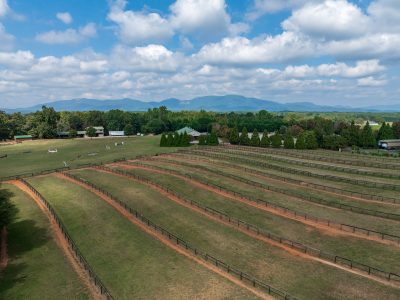
WHY TRYON IS A PREMIER EQUESTRIAN DESTINATION
Tryon offers:
- A century of equestrian heritage
- Proximity to TIEC (international competitions, training, events)
- Access to the Foothills Equestrian Trails Association (FETA) network
- Mild year-round climate
- Rolling pasture-friendly land
- Horse-supportive local infrastructure (vet clinics, feed stores, farriers, trainers)
- A welcoming equestrian community across disciplines
Whether you’re a competitive rider, a trail rider, or simply someone who wants to keep horses at home, Tryon offers unmatched lifestyle benefits.
WHAT MAKES A PROPERTY “EQUESTRIAN-FRIENDLY”?
Not all land or acreage is horse suitable.
Here’s what equestrian buyers must evaluate:
1. Land Usability
Horses need safe, usable land. Consider:
- Slope (gently rolling ideal)
- Footing
- Drainage
- Clearance from hazards
- Mixture of pasture and shade
2. Fencing Quality
A key safety factor. Evaluate:
- Type: no-climb woven wire, RAMM, wood rails, electric
- Age and condition
- Gate placement
- Height
- Perimeter security
3. Pasture Health
Pasture condition impacts horse well-being:
- Grass type
- Soil fertility
- Rotational grazing potential
- Mud management
4. Barn Quality & Features
Look for:
- Well-ventilated stalls
- Safe flooring
- Wash stall
- Tack room
- Feed storage
- Water access
- Electrical reliability
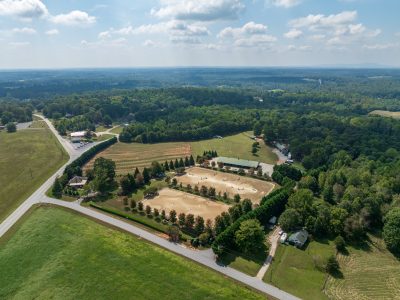
5. Arena Quality
One of the most important value drivers. Consider:
- Size (dressage, hunter/jumper, multi-purpose)
- Footing type and depth
- Drainage
- Lighting
- Fencing
- Surface maintenance systems
6. Riding Trails & Access
Being close to:
- FETA trails
- Private trails
- TIEC-accessible trail systems adds significant lifestyle value.
DISCIPLINE-SPECIFIC NEEDS
Different disciplines prioritize different features.
Dressage Buyers Prioritize:
- Flat land
- High-quality, consistent footing
- Quiet surroundings
- Covered or indoor arenas
Hunter/Jumper Buyers Prioritize:
- Larger arenas
- Good drainage
- Trailer access
- Proximity to trainers and show venues
Eventers Prioritize:
- Multi-terrain land
- Access to conditioning trails
- Large fields
- Arena + field combination
Western Riders Prioritize:
- Large pasture areas
- Room for round pens
- Shaded areas
- Trail access
EQUESTRIAN COMMUNITIES WITHIN THE FOOTHILLS
Tryon (NC)
- Historic equestrian hub
- Close-knit community
- Access to FETA trails
- Proximity to TIEC
Landrum (SC)
- Easy interstate access
- Lower property taxes
- Excellent equestrian infrastructure
Columbus (NC)
- Quiet, scenic, and land-rich
- Ideal for private farms
Mill Spring (NC)
- Closest to TIEC
- Great for competition-focused riders
Each micro-region offers unique advantages.
KEY QUESTIONS BUYERS MUST ASK
About the Property:
- How many acres are truly usable?
- Are there wet areas?
- Is the fencing safe and intact?
- Are the barns structurally sound?
- What type of arena footing is installed?
- Is there room for expansion?
About Safety:
- Are stalls ventilated?
- Are electrical systems up-to-date?
- Is access safe for trailers?
- Are water sources reliable?
About Access & Lifestyle:
- What is the commute to TIEC?
- Are there local trainers nearby?
- Is the road friendly for horse transport?
- Are there trails directly accessible?
EQUESTRIAN PROPERTY BUYER CHECKLIST
Land Checklist:
- Slope suitability
- Drainage patterns
- Usable acreage
- Shade coverage
- Pasture quality
Fencing Checklist:
- Type and condition
- Gate placement
- Perimeter security
Barn Checklist:
- Stall size and condition
- Ventilation
- Lighting
- Wash stall
- Tack room
- Manure management
Arena Checklist:
- Footing type
- Lighting
- Drainage
- Size
- Maintenance equipment
Lifestyle Checklist:
- Commute to TIEC
- Access to trails
- Local equestrian services
- Distance to vets/farriers
COMMON MISTAKES EQUESTRIAN BUYERS MAKE
- Choosing acreage based on total size, not usability
- Underestimating the cost of fencing repairs
- Overlooking driveway access for horse trailers
- Assuming all barns are safe without an inspection
- Falling in love with the house but ignoring land issues
- Neglecting arena drainage or footing quality
- Forgetting to evaluate the noise level for sensitive horses
This section positions Sauvé Collective as a protective guide.
HOW SAUVÉ COLLECTIVE HELPS EQUESTRIAN BUYERS
- Land and usability evaluations
- Barn and facility assessments
- Arena footing analysis
- Location guidance (TIEC, FETA, trainers)
- Vendor recommendations (builders, fencing, footing experts)
- Virtual walk-throughs for out-of-state buyers
- Smart negotiation based on facility conditions
- Long-term planning for horse operations
Whether you own one horse or an entire stable, Sauvé Collective helps you find the right equestrian home.
Your equestrian property isn’t just a home — it’s the center of your horse’s life, training, and well-being. Choosing the right one requires local knowledge, discipline-specific understanding, and expertise in land, barns, arenas, and equestrian lifestyle.
Sauvé Collective offers a complimentary Equestrian Buyer Consultation, including:
- A personalized property shortlist
- Facility evaluation
- Land usability insights
- Lifestyle matching
Request your consultation today.